A veneer layup represents an important process in wood processing, especially in furniture production and interior design. It is a method of arranging and joining individual veneer sheets so that they create an aesthetically appealing and functional whole. Proper veneer composition significantly affects the final appearance of the product, its quality and value.
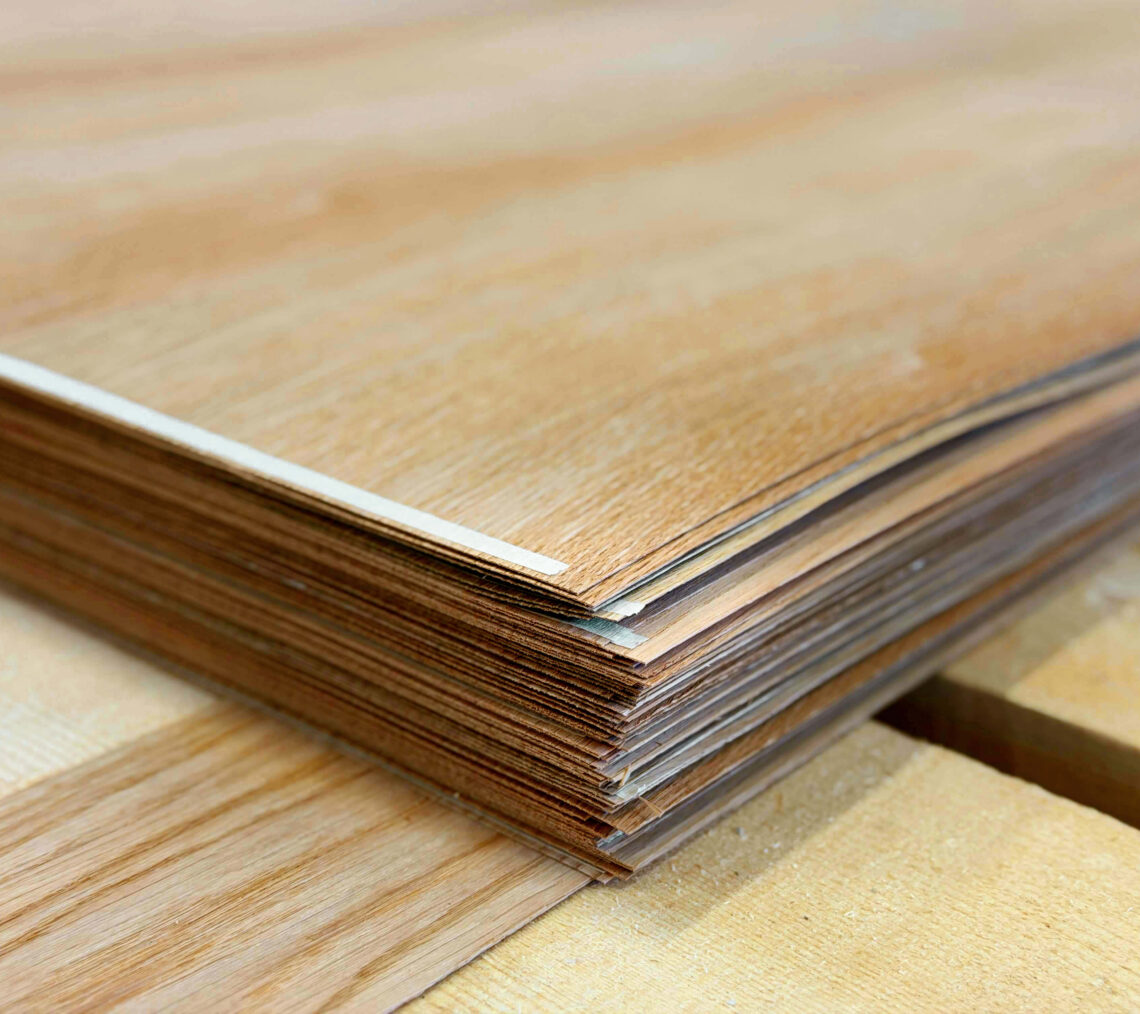
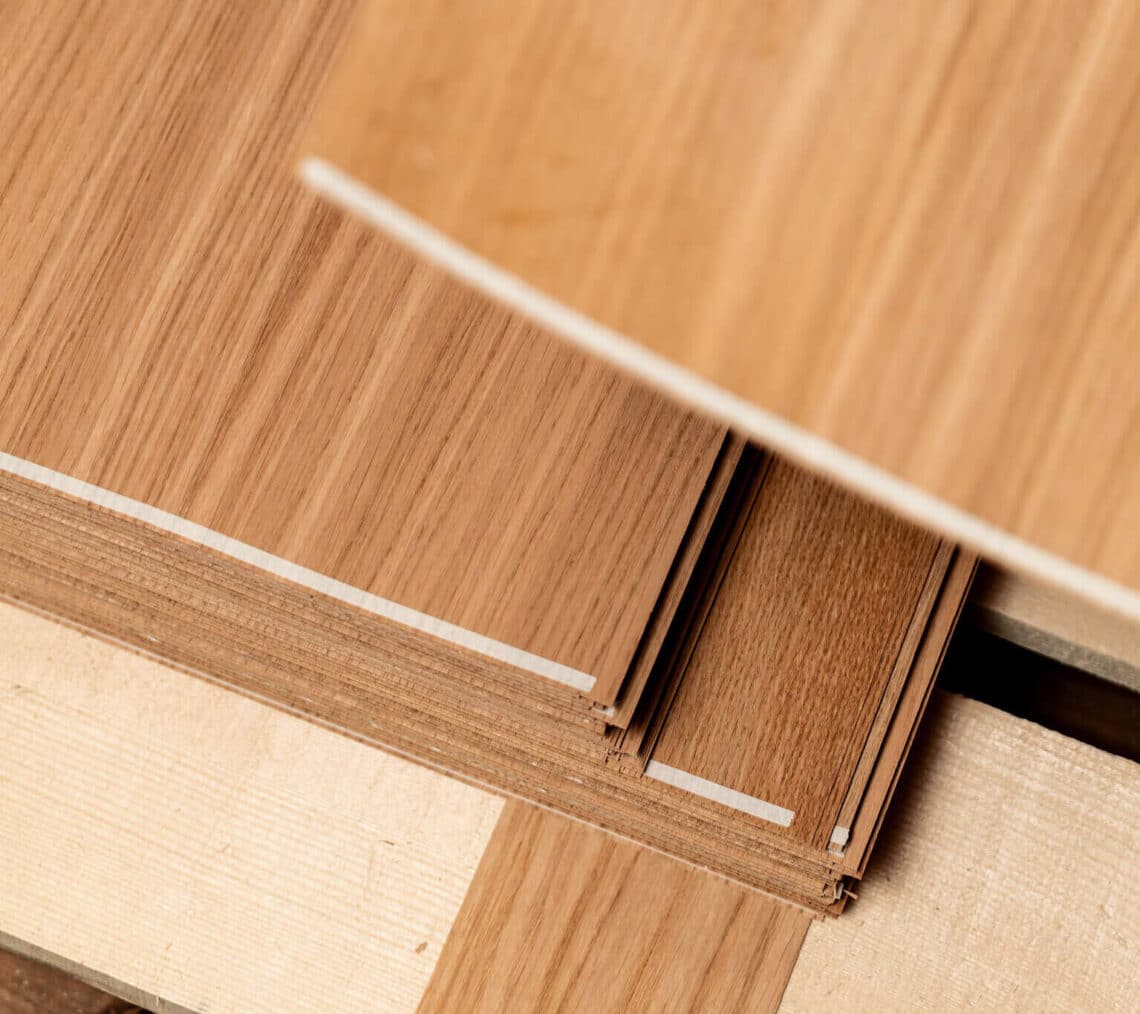
Veneer is a thin layer of wood obtained by slicing or peeling a log. Each piece has a unique grain, colour and structure, which makes it possible to create various decorative patterns. During assembly, individual sheets are placed next to each other according to a specific principle, for example mirrored (so-called “Figura”), sequentially or as an imitation of a solid wood panel. The choice of method depends on the desired visual effect.
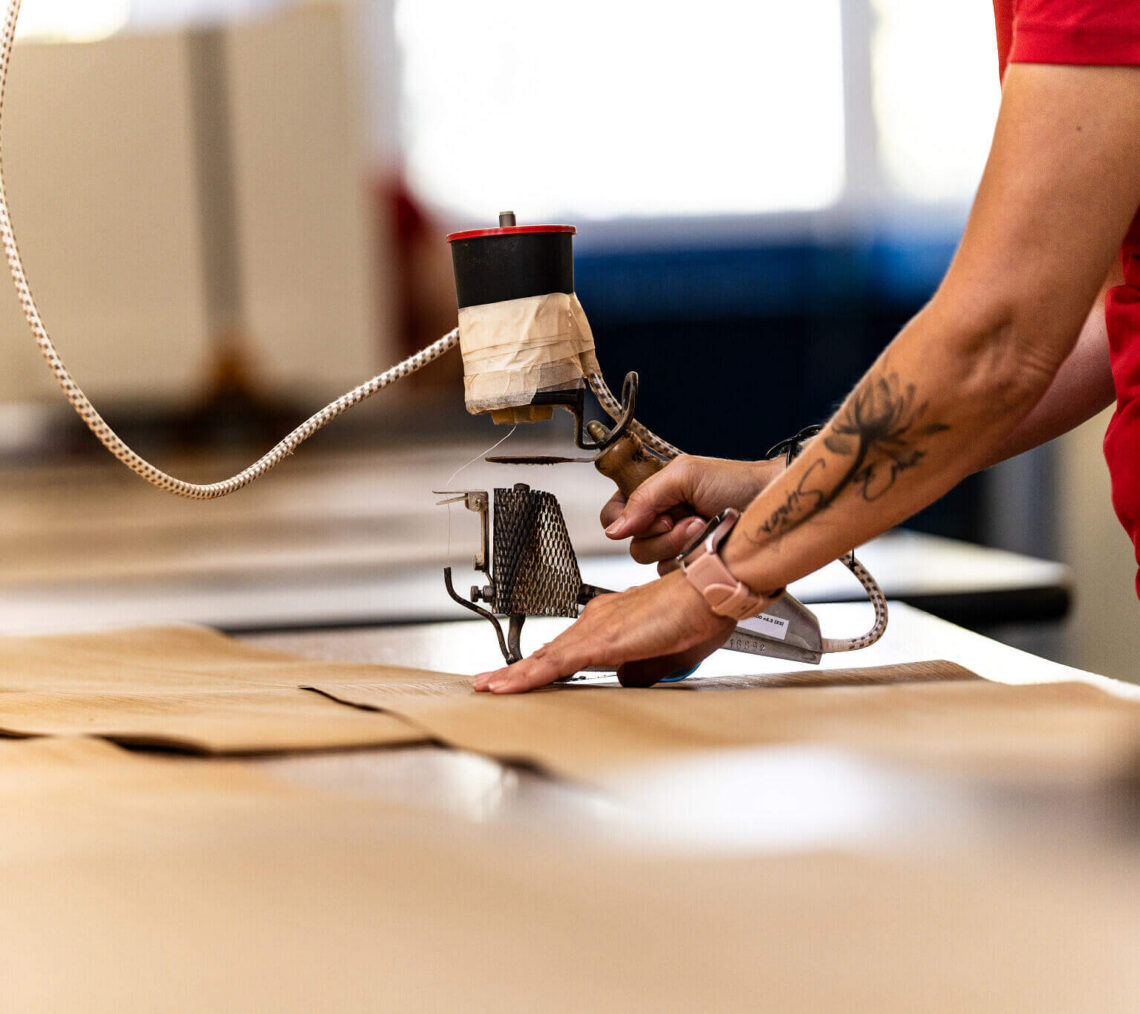
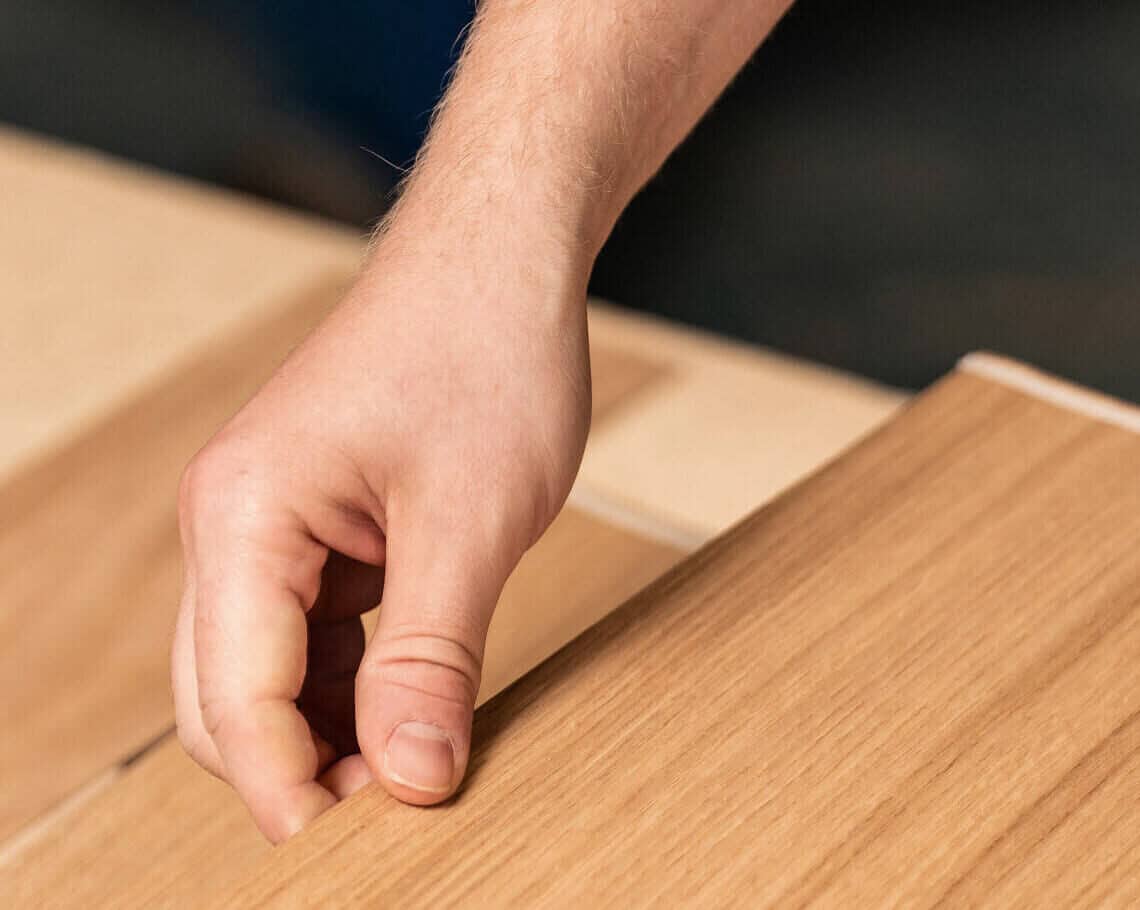
The assembly process requires precision and attention to detail. Veneer sheets must be carefully cut, aligned and subsequently joined using adhesive. It is important that no gaps occur between individual pieces and that the wood grain continues smoothly.
Veneer assembly has not only an aesthetic but also a practical significance. It enables efficient use of wood material and reduces waste.
Currently, veneer assembly is used not only in furniture production but also in the creation of wall coverings, doors and decorative panels. Thanks to modern technologies, it is possible to achieve high precision and repeatability of patterns; however, craftsmanship and experience still play a key role.
Veneer assembly is therefore a combination of technology, aesthetics and craftsmanship that contributes to the creation of high-quality and visually attractive wood products.